
Author: Fsi Team
16 Sep Living with Algorithmic Governance: An Exploratory Study of Algorithm-Driven State Transformation in Estonia, Singapore, and the UAE
Artificial intelligence is no longer simply helping governments deliver digital services. It is increasingly influencing how governments make decisions, allocate resources, manage risks, and interact with citizens. This research examines this shift through three of the world's most digitally advanced states: Estonia, Singapore, and the...

11 Sep Empowering the Grassroots: SHGs and Cooperative Models as Engines of Financial Inclusion
Financial inclusion remains one of the most significant development challenges in emerging economies. According to the World Bank Global Findex Database (2021), about 1.4 billion adults worldwide still lack access to formal financial services, including bank accounts, credit, and insurance. A large share of this...
24 Aug The Silent Extinction Crisis: Why Biodiversity Loss Matters to Everyone
Biodiversity loss is often described as a “silent crisis” because, unlike climate disasters or pandemics, its progression is gradual and less immediately visible. Yet the erosion of life on Earth is occurring at an unprecedented pace and scale. Far from being a niche environmental issue,...
19 Aug The End of Stable Work: How should social protection evolve when the majority of workers were never formally protected to begin with?
Productivity is rising. Algorithms optimize supply chains, robots assemble goods with precision, and AI systems manage logistics in real time. Yet across much of the Global South, livelihoods remain precarious or are disappearing altogether.Globally, more than 2 billion people, around 60% of the world’s employed...
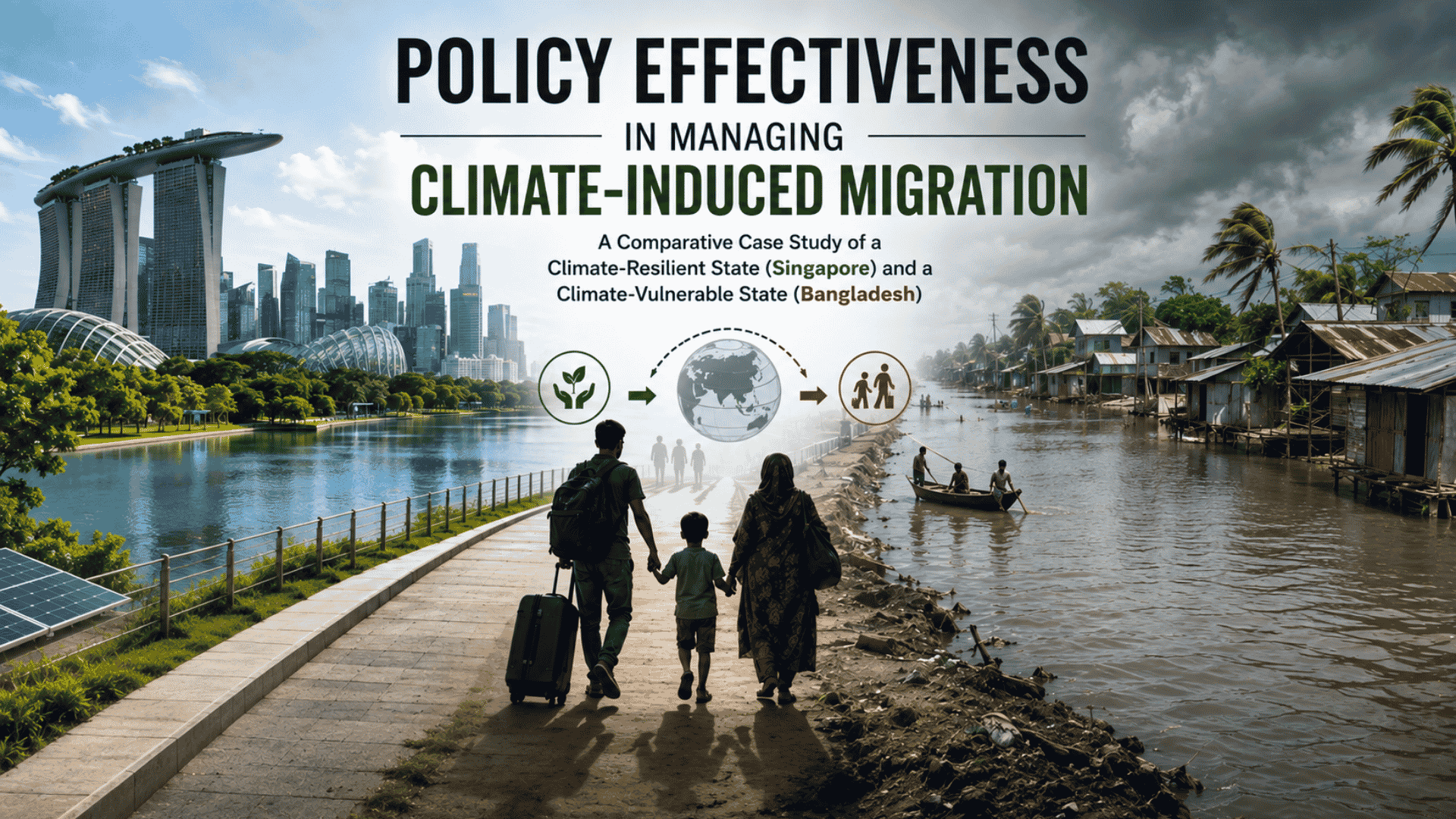
12 Aug Policy Effectiveness in Managing Climate Induced Migration: A Comparative Case Study of a Climate-Resilient State (Singapore) and a Climate-Vulnerable State (Bangladesh)
Climate-induced migration has moved from the margins of environmental policy to the center of global mobility governance, yet the effectiveness of national responses to it remains poorly understood in comparative terms. This paper asks a focused question: why do two countries facing the same global...
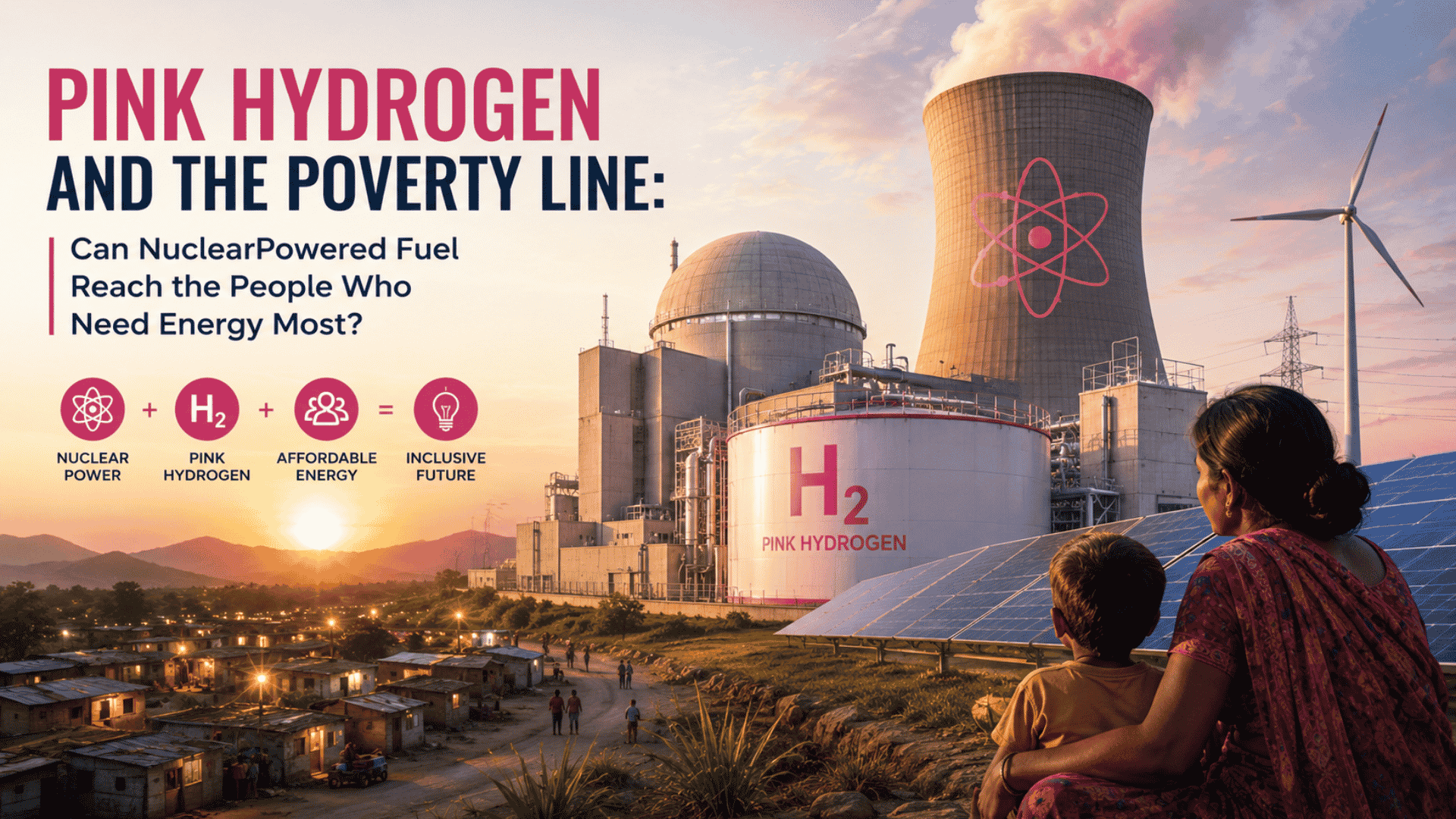
12 Aug Pink Hydrogen and the Poverty Line: Can Nuclear-Powered Fuel Reach the People Who Need Energy Most?
Pink hydrogen, produced using nuclear power, is gaining attention as a clean and reliable energy source. It is often promoted as a stable alternative to renewable-powered hydrogen, especially for regions that need constant, dependable power. But most of this attention has focused on industry and...
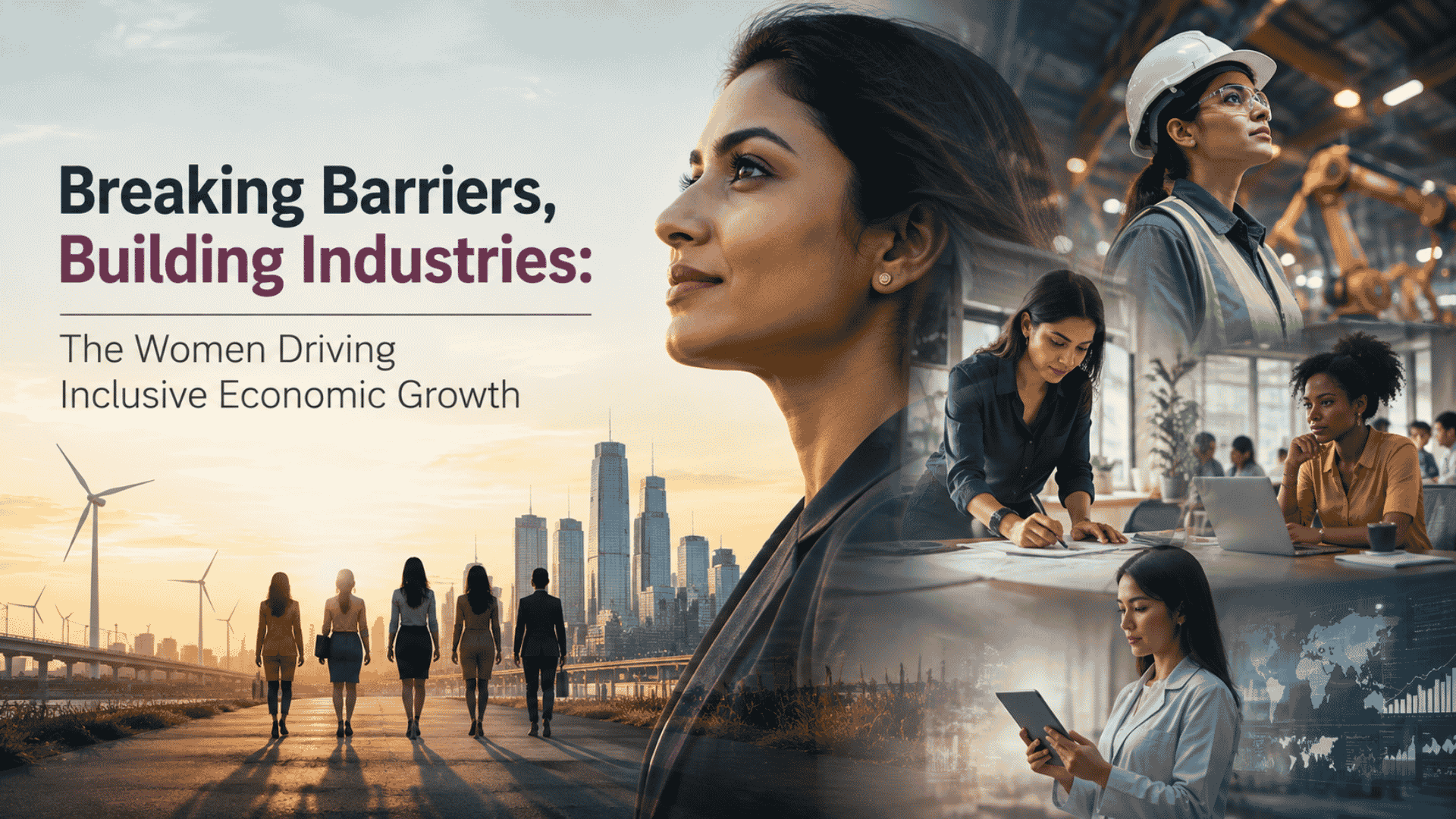
05 Aug Breaking Barriers, Building Industries: The Women Driving Inclusive Economic Growth
For decades, the conversation around women's empowerment has largely focused on boardrooms, leadership roles, and equal pay. Yet, some of the most transformative stories of inclusion are unfolding far from office spaces, in mines, construction sites, welding workshops, and trucking fleets. These are industries that...
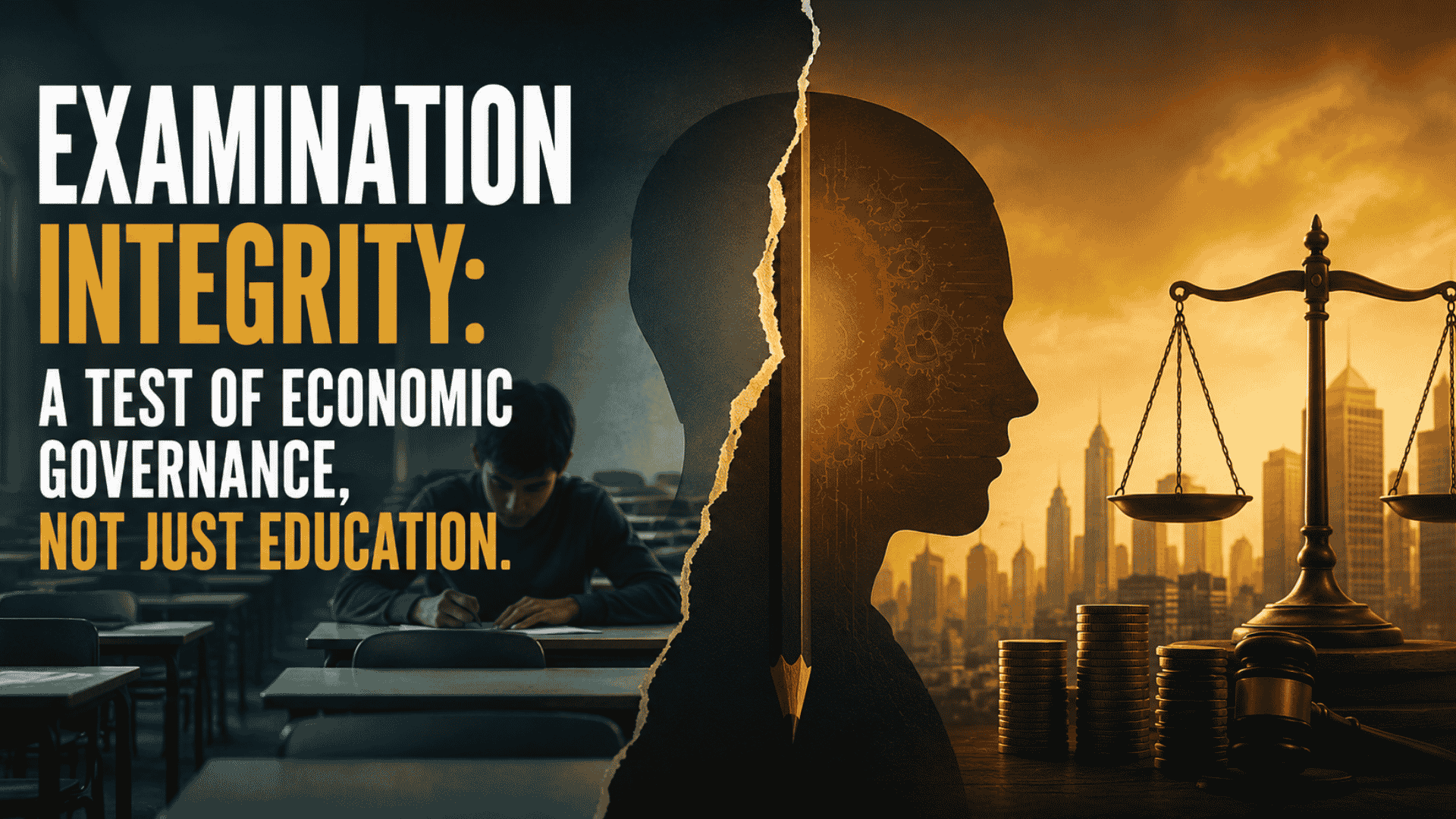
30 Jul Examination Integrity: A Test of Economic Governance, Not Just Education
Every year, millions of students compete in high-stakes examinations that determine access to higher education, professional careers, and skilled employment. These assessments serve as gateways to opportunity, shaping not only individual futures but also the quality of a nation's workforce and long-term economic competitiveness. Yet...
07 Jul Algorithmic Inequality: How Automated Systems Are Denying People Rights
In 2026, inequality is coded.Across welfare offices, police departments, and financial institutions, automated decision-making systems now shape who receives public assistance, who is flagged as “high risk,” and who gains access to credit. Artificial intelligence (AI) promises efficiency, objectivity, and cost reduction. Yet, as these...