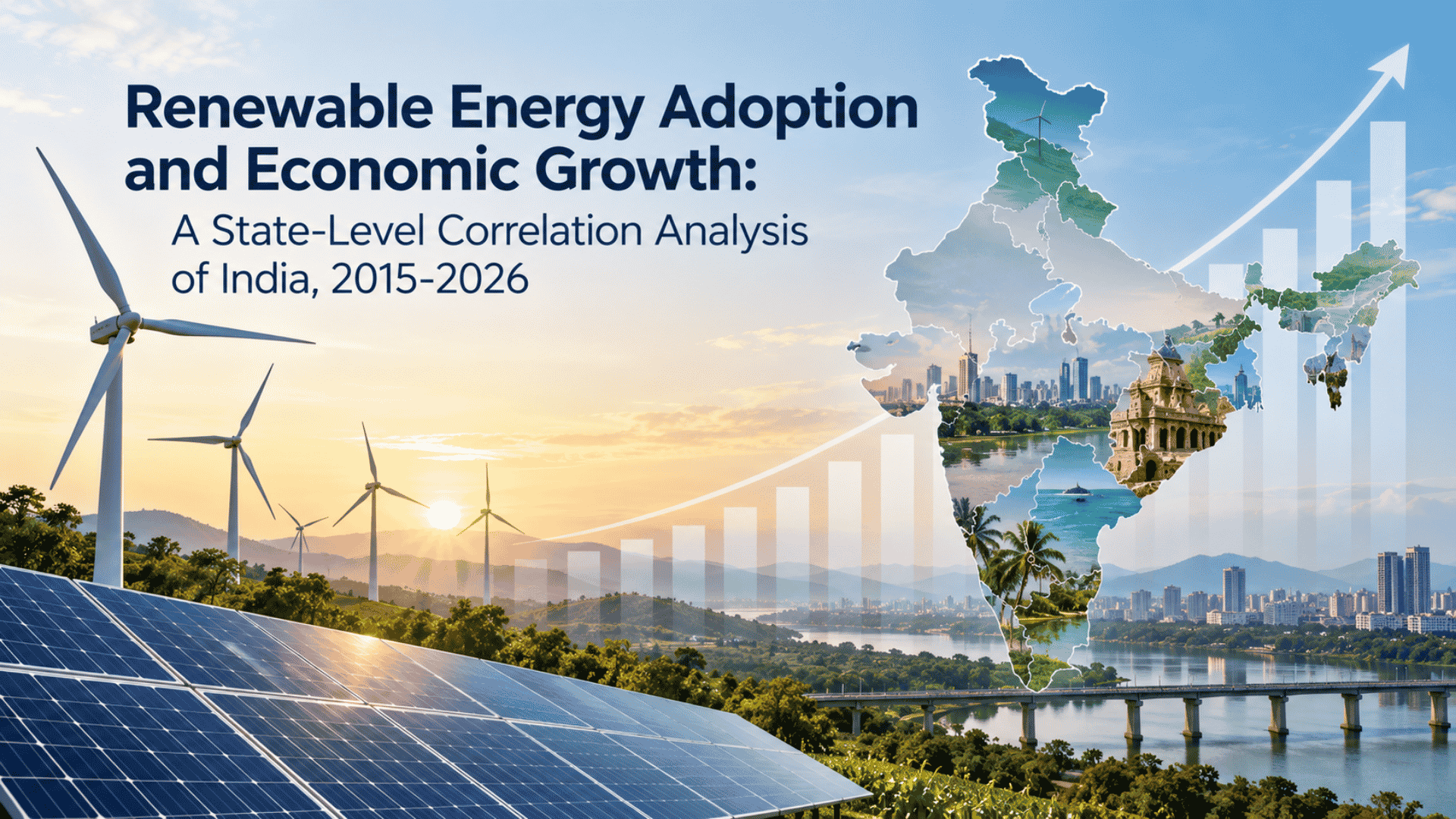

Environment
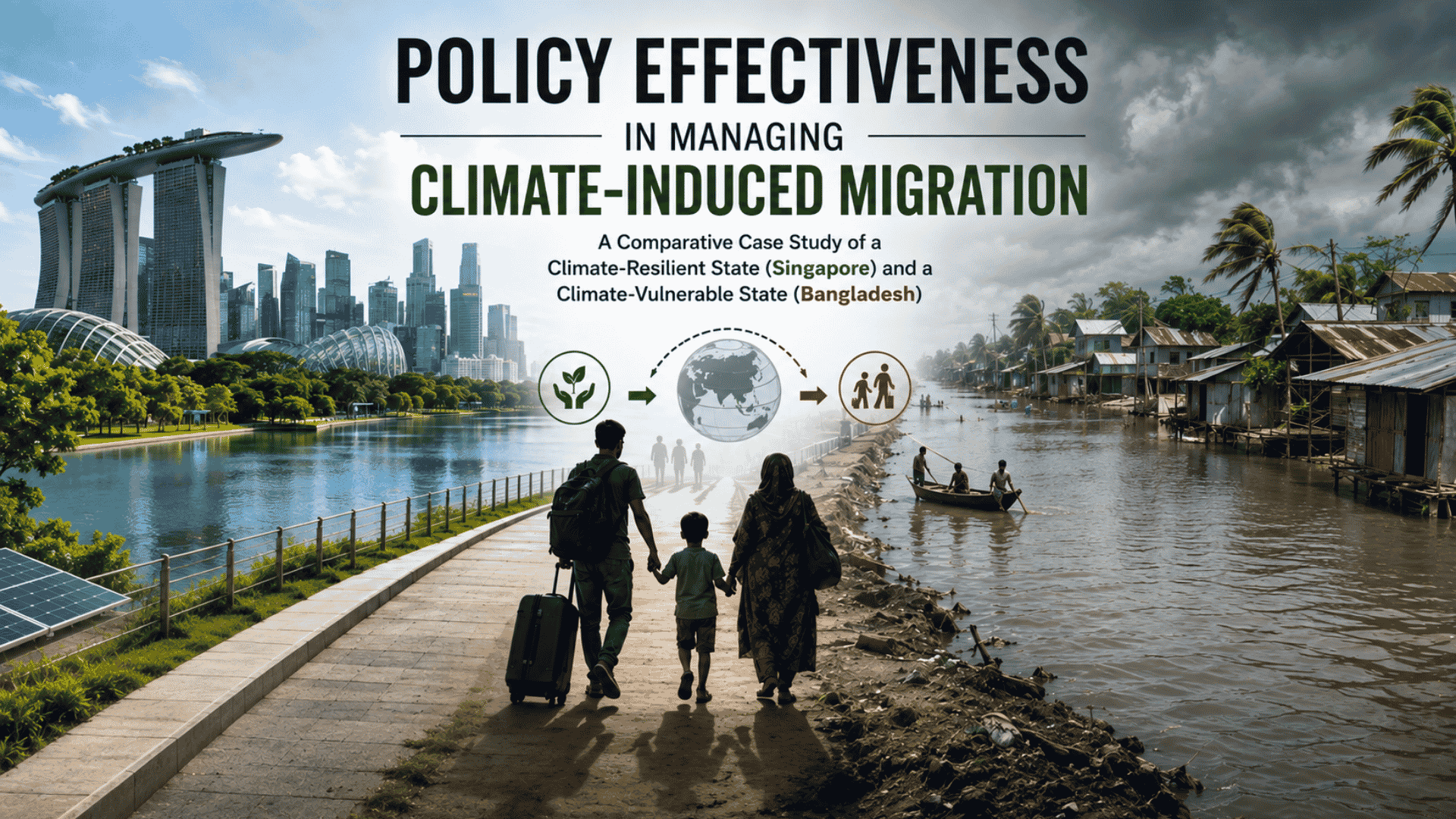
12 Aug Policy Effectiveness in Managing Climate Induced Migration: A Comparative Case Study of a Climate-Resilient State (Singapore) and a Climate-Vulnerable State (Bangladesh)
Climate-induced migration has moved from the margins of environmental policy to the center of global mobility governance, yet the effectiveness of national responses to it remains poorly understood in comparative terms. This paper asks a focused question: why do two countries facing the same global...
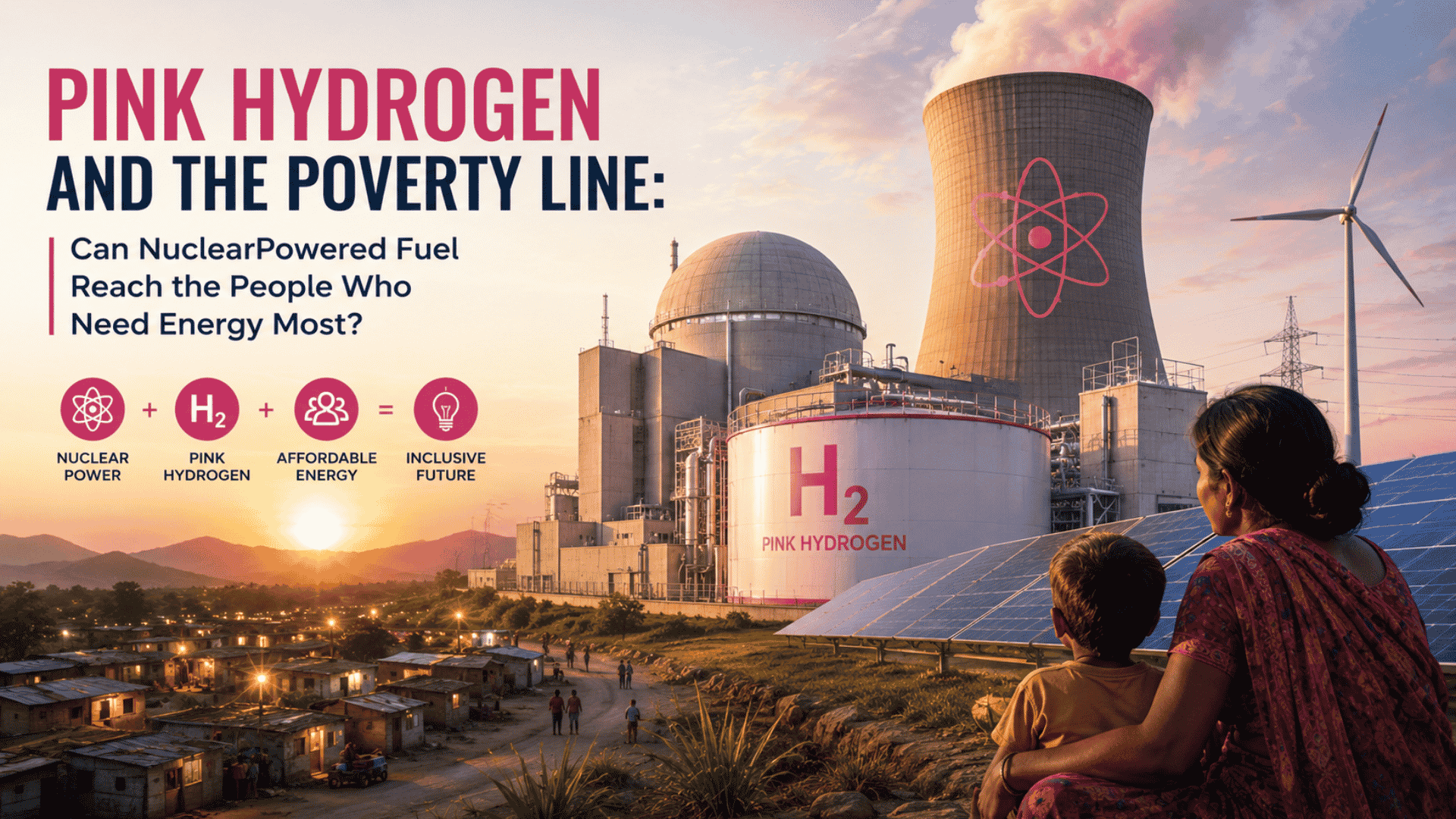
12 Aug Pink Hydrogen and the Poverty Line: Can Nuclear-Powered Fuel Reach the People Who Need Energy Most?
Pink hydrogen, produced using nuclear power, is gaining attention as a clean and reliable energy source. It is often promoted as a stable alternative to renewable-powered hydrogen, especially for regions that need constant, dependable power. But most of this attention has focused on industry and...
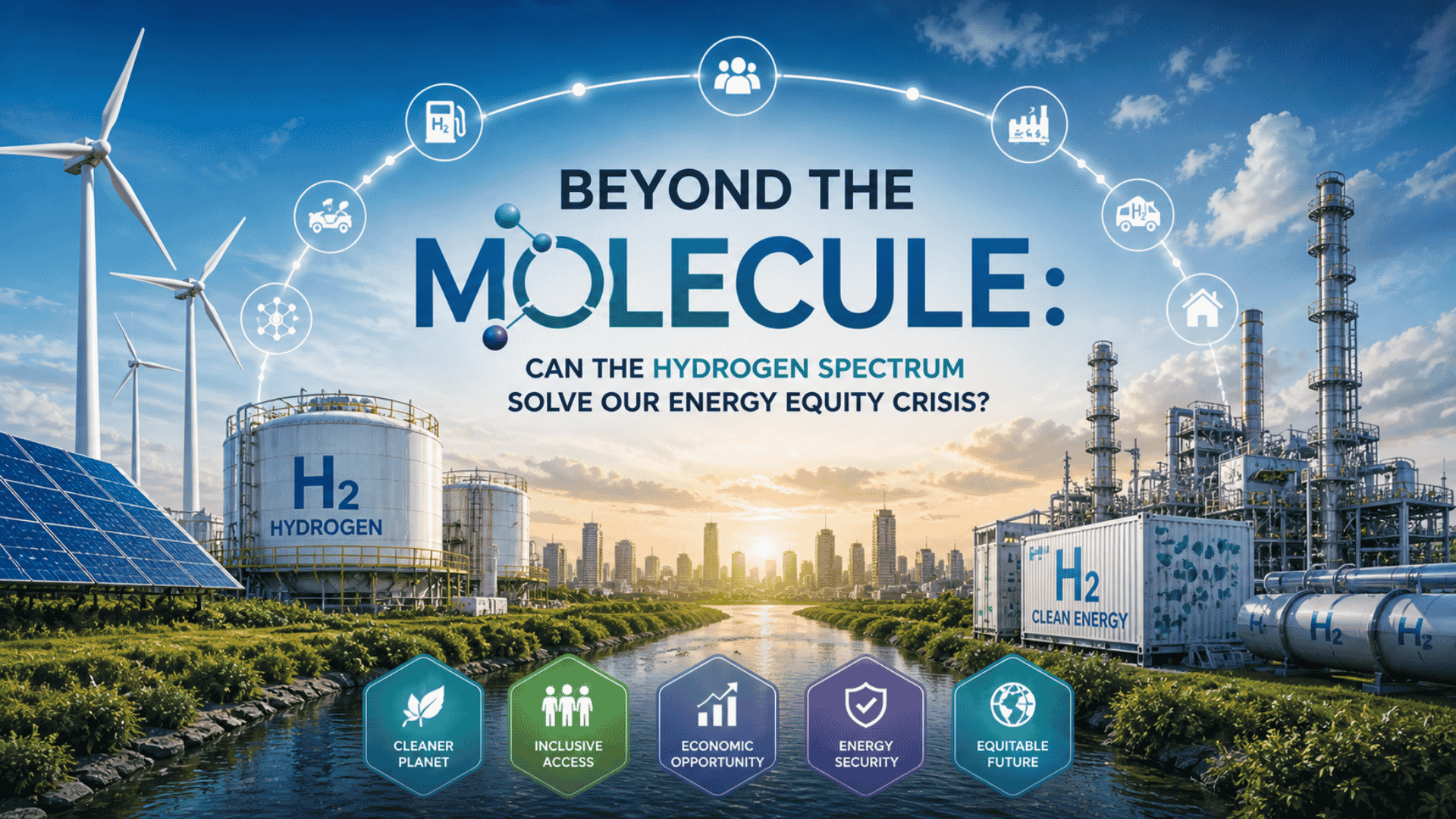
04 May Beyond the Molecule – Can the Hydrogen Spectrum Solve Our Energy Equity Crisis
Over 95% of global hydrogen today is grey, produced from fossil gas, emitting 9–12 kg of CO₂ per kilogram of hydrogen, with pollution burdens falling disproportionately on low-income communities surrounding industrial plants. The global South produces less than 5% of the world’s hydrogen and cannot...


11 Feb The Constructed Ecosystem: Architecture for a Sustainable Tomorrow
A Collaboration with Dr. Ken Yeang and T. R. Hamzah & Yeang on Ecological Design and Sustainable Architecture. The Constructed Ecosystem: Architecture for a Sustainable Tomorrow is a collaborative publication between the Frost & Sullivan Institute and Dr. Ken Yeang, a visionary leader, globally recognized...

11 Apr Beyond Concrete and Lights: What Does it Take to Build a Truly Smart City?
Is a Smart City Truly Smart if it Doesn't Address Global Priorities? Smart cities represent a fundamental shift in urban development, leveraging digital innovation to improve the well-being of their citizens. These cities are at the forefront of technological growth, adopting innovations such as self-driving cars...