
All
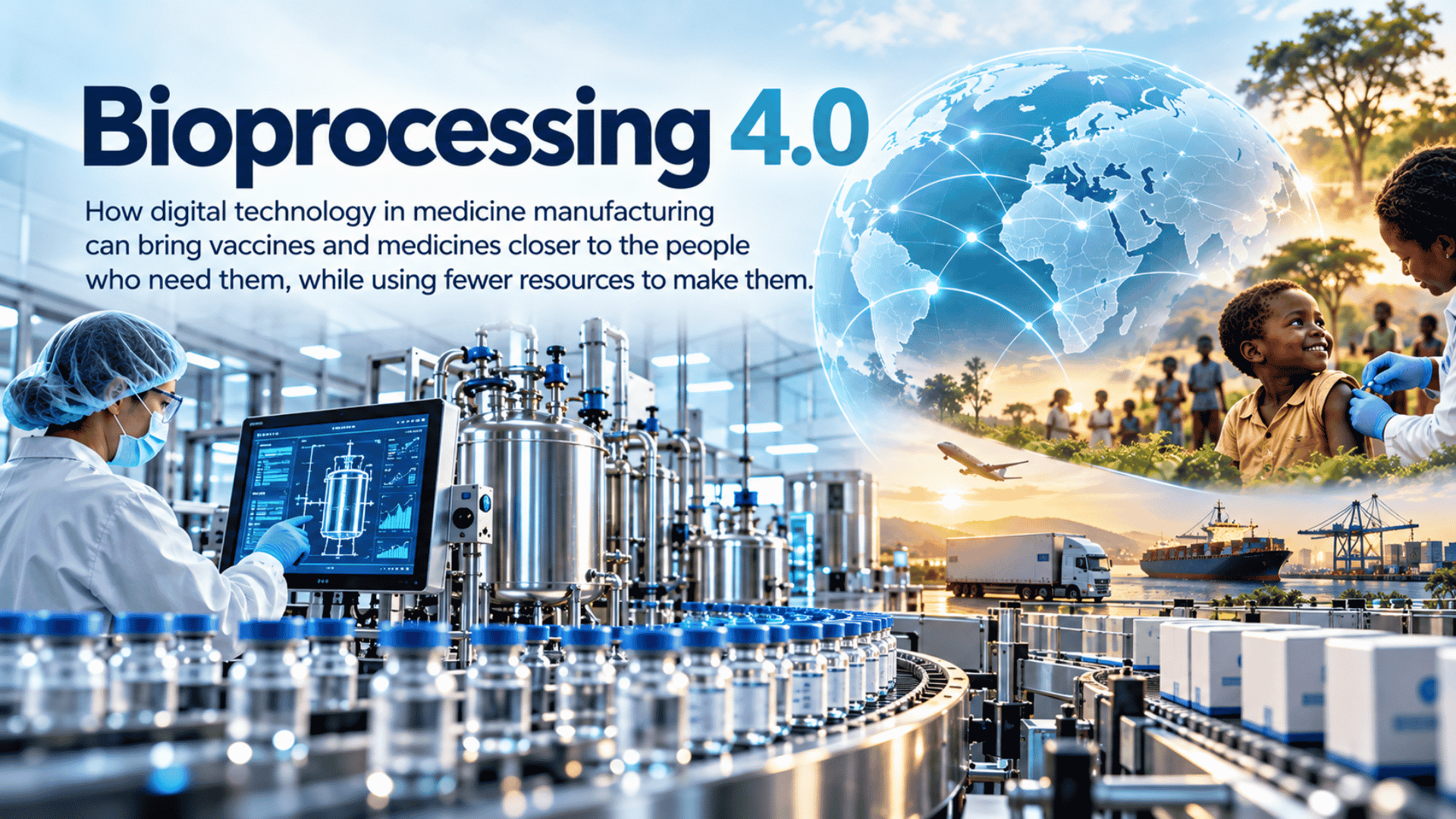
08 Oct bioprocessing 4.0
Bioprocessing is the use of living cells to make things the world depends on: vaccines, medicines, enzymes, biofuels and bio-based materials. For decades, this has been done in large batches, in a small number of countries, using methods that use a lot of energy, water...

08 Oct Semantic Authority and Algorithmic Eligibility
Governments increasingly use artificial intelligence to decide who receives welfare support. Some of these systems go beyond simple statistics: they use ontologies and knowledge graphs, structures that encode the meaning of legal terms such as “household,” “dependent,” “disability,” and “fraud risk.” This article calls this...

16 Sep Living with Algorithmic Governance: An Exploratory Study of Algorithm-Driven State Transformation in Estonia, Singapore, and the UAE
Artificial intelligence is no longer simply helping governments deliver digital services. It is increasingly influencing how governments make decisions, allocate resources, manage risks, and interact with citizens. This research examines this shift through three of the world's most digitally advanced states: Estonia, Singapore, and the...
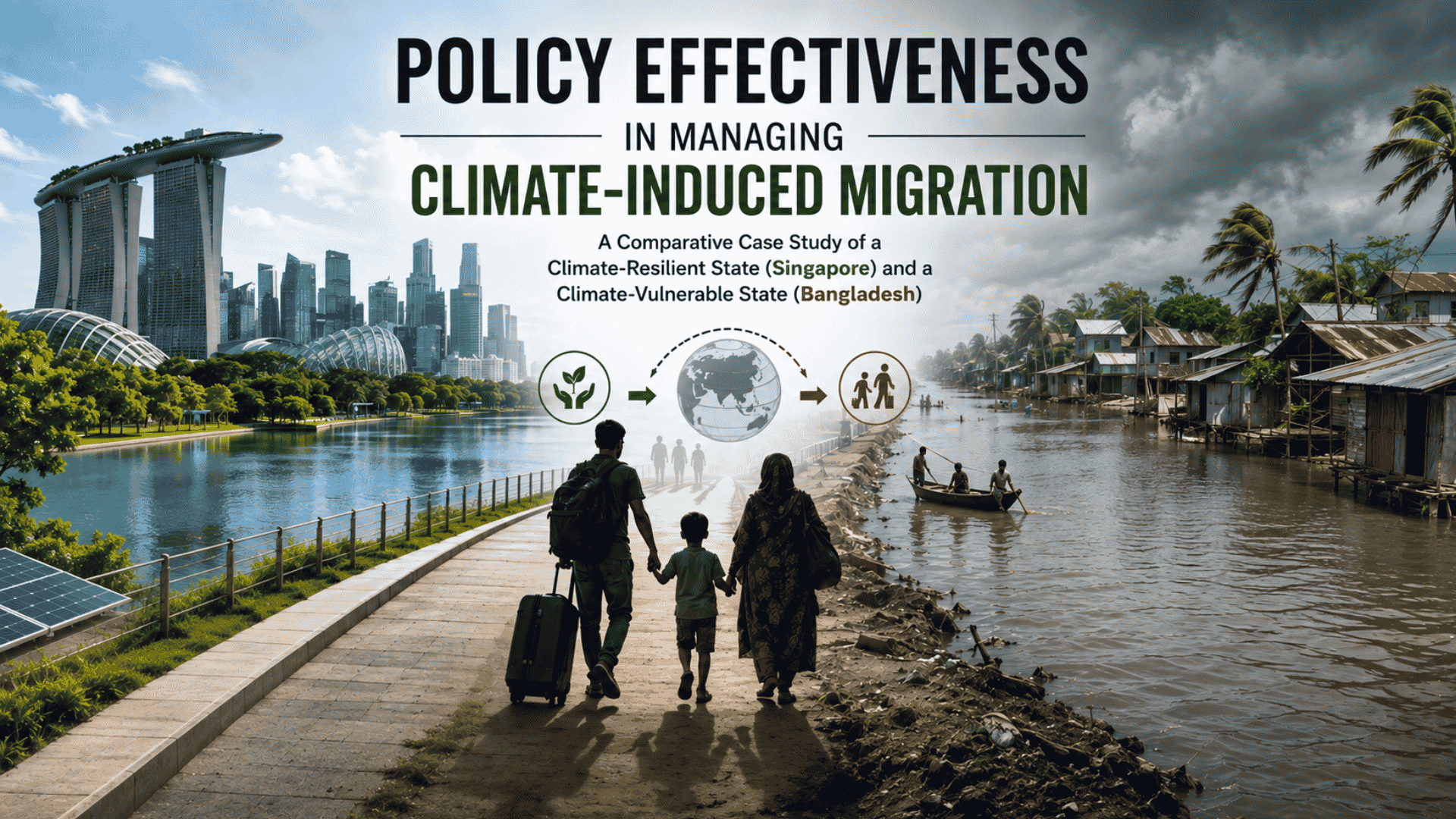
12 Aug Policy Effectiveness in Managing Climate Induced Migration: A Comparative Case Study of a Climate-Resilient State (Singapore) and a Climate-Vulnerable State (Bangladesh)
Climate-induced migration has moved from the margins of environmental policy to the center of global mobility governance, yet the effectiveness of national responses to it remains poorly understood in comparative terms. This paper asks a focused question: why do two countries facing the same global...
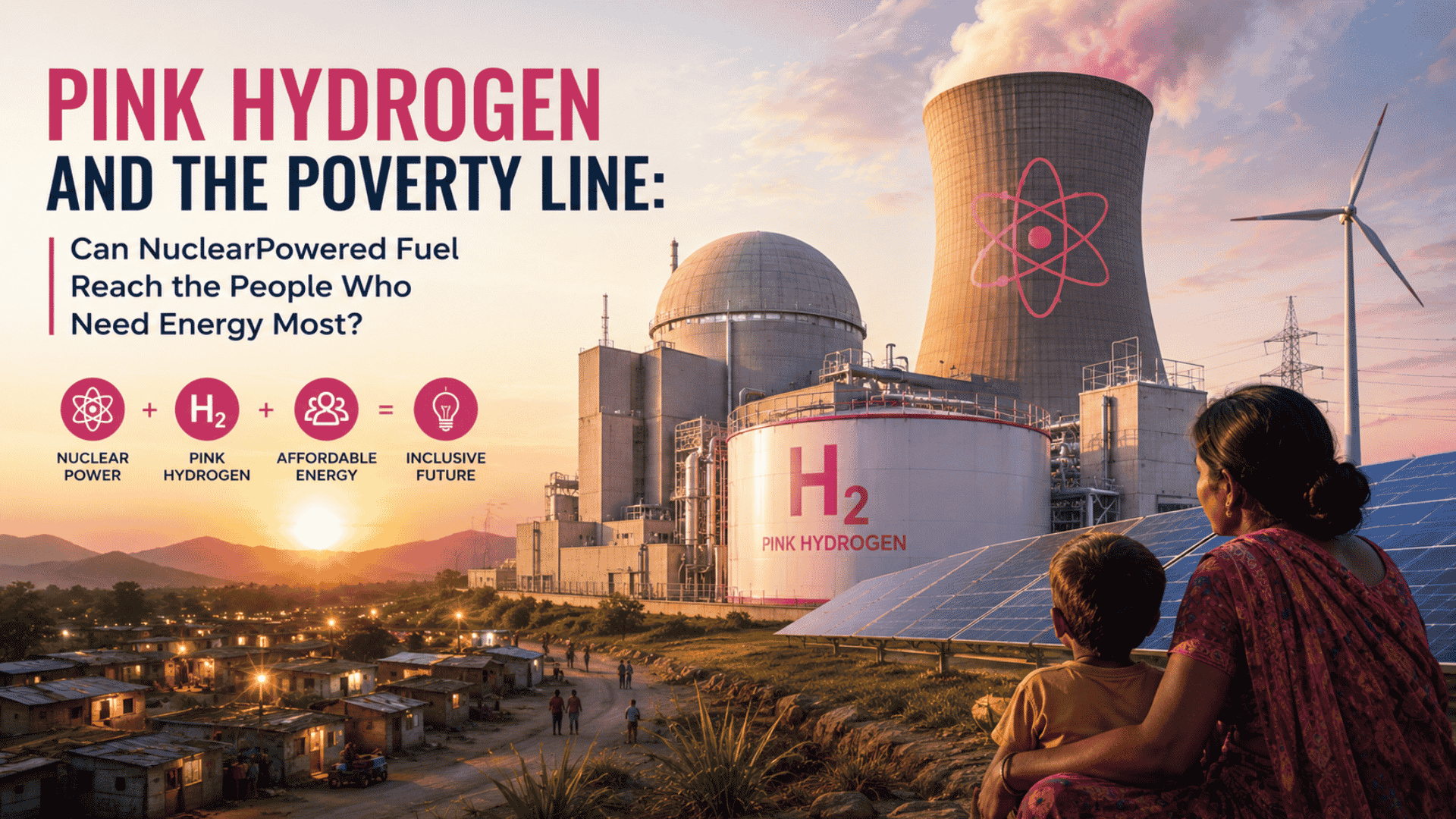
12 Aug Pink Hydrogen and the Poverty Line: Can Nuclear-Powered Fuel Reach the People Who Need Energy Most?
Pink hydrogen, produced using nuclear power, is gaining attention as a clean and reliable energy source. It is often promoted as a stable alternative to renewable-powered hydrogen, especially for regions that need constant, dependable power. But most of this attention has focused on industry and...
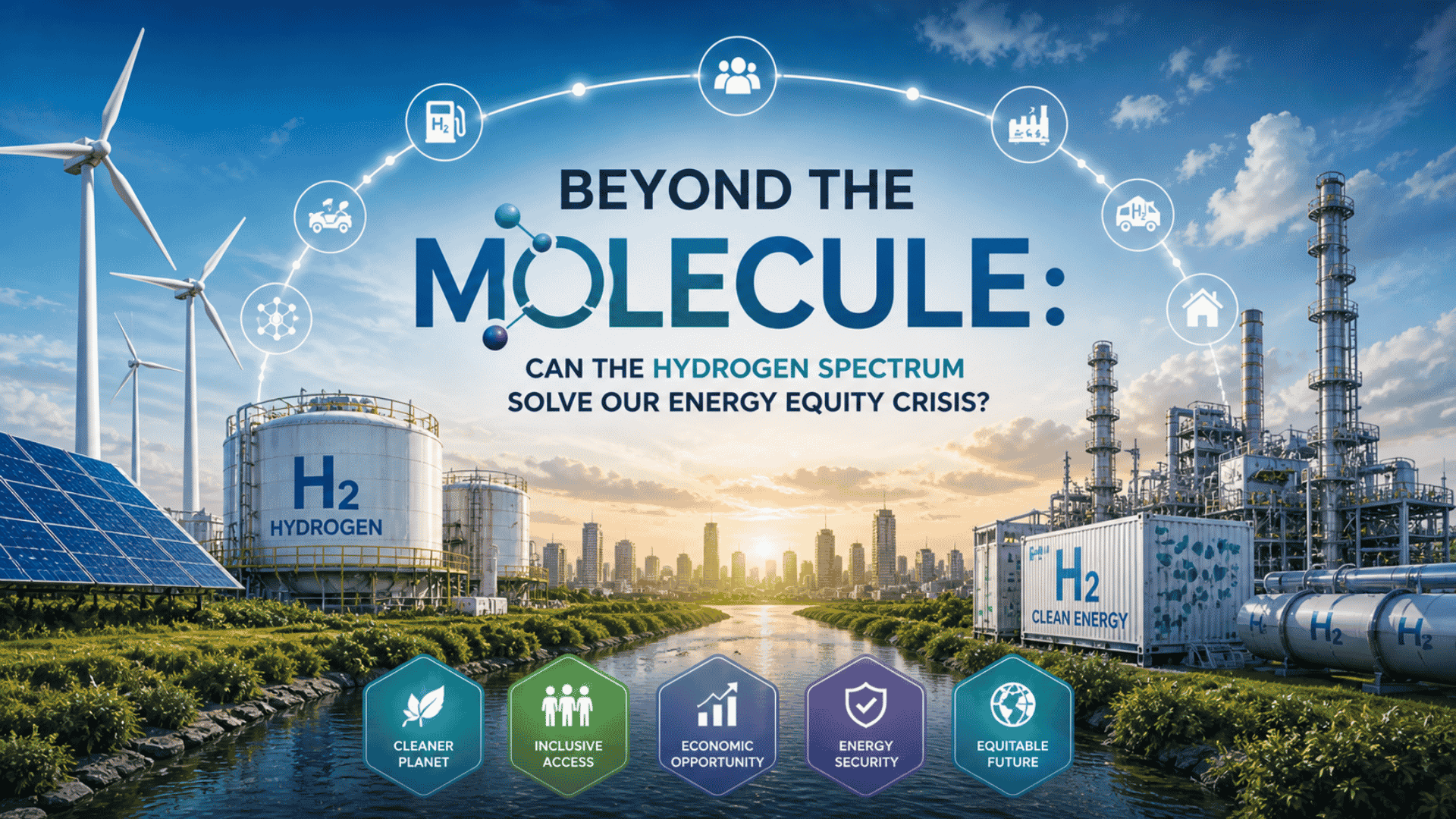
04 May Beyond the Molecule – Can the Hydrogen Spectrum Solve Our Energy Equity Crisis
Over 95% of global hydrogen today is grey, produced from fossil gas, emitting 9–12 kg of CO₂ per kilogram of hydrogen, with pollution burdens falling disproportionately on low-income communities surrounding industrial plants. The global South produces less than 5% of the world’s hydrogen and cannot...