A Collaboration with Dr. Ken Yeang and T. R. Hamzah & Yeang on Ecological Design and Sustainable Architecture. The Constructed Ecosystem: Architecture for a Sustainable Tomorrow is a collaborative publication between the Frost & Sullivan Institute and Dr. Ken Yeang, a visionary leader, globally recognized architect and pioneer of ecological design.
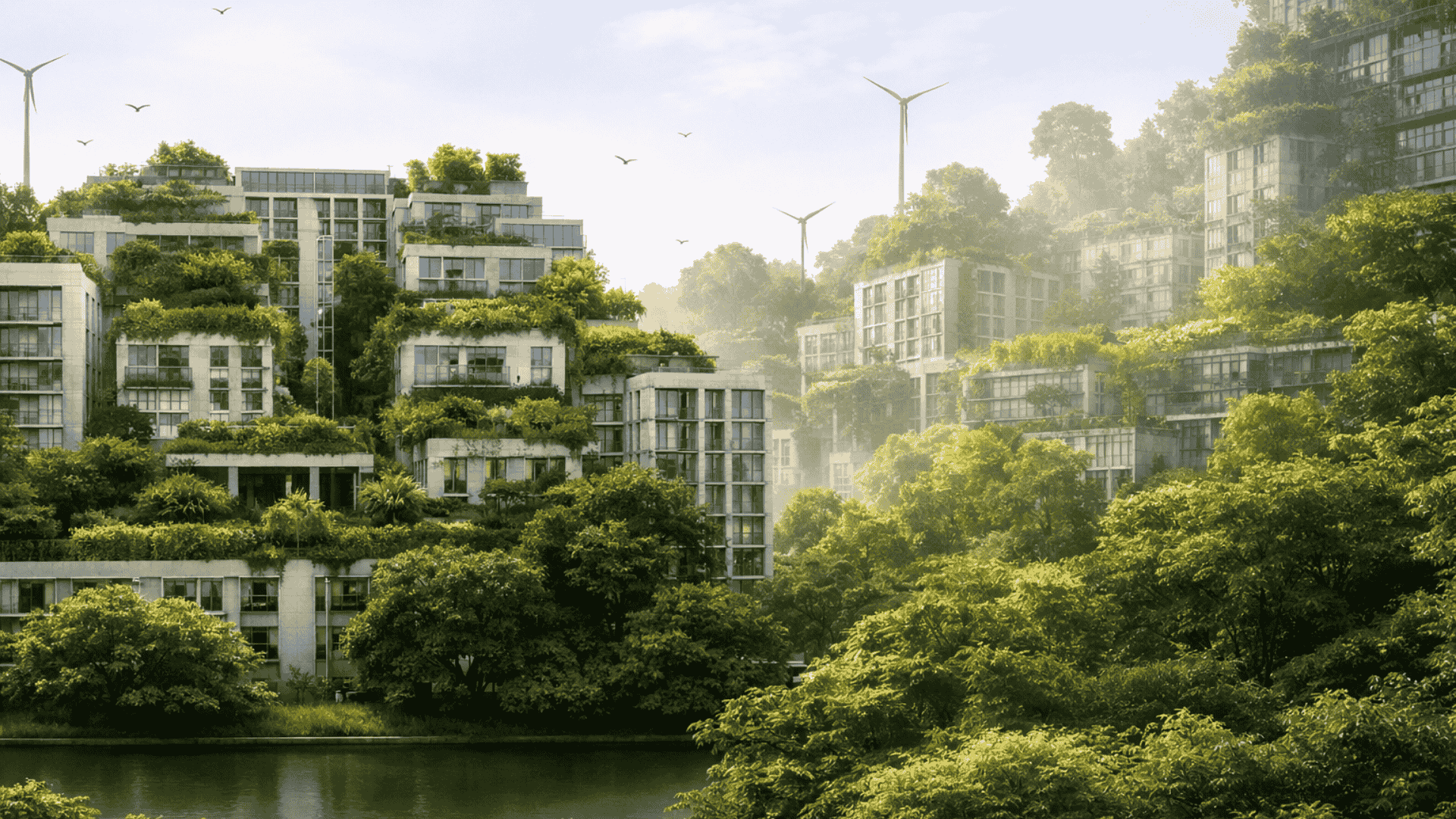
This publication examines how architecture can evolve beyond conventional sustainability frameworks into regenerative, ecosystem based systems that integrate seamlessly with nature.
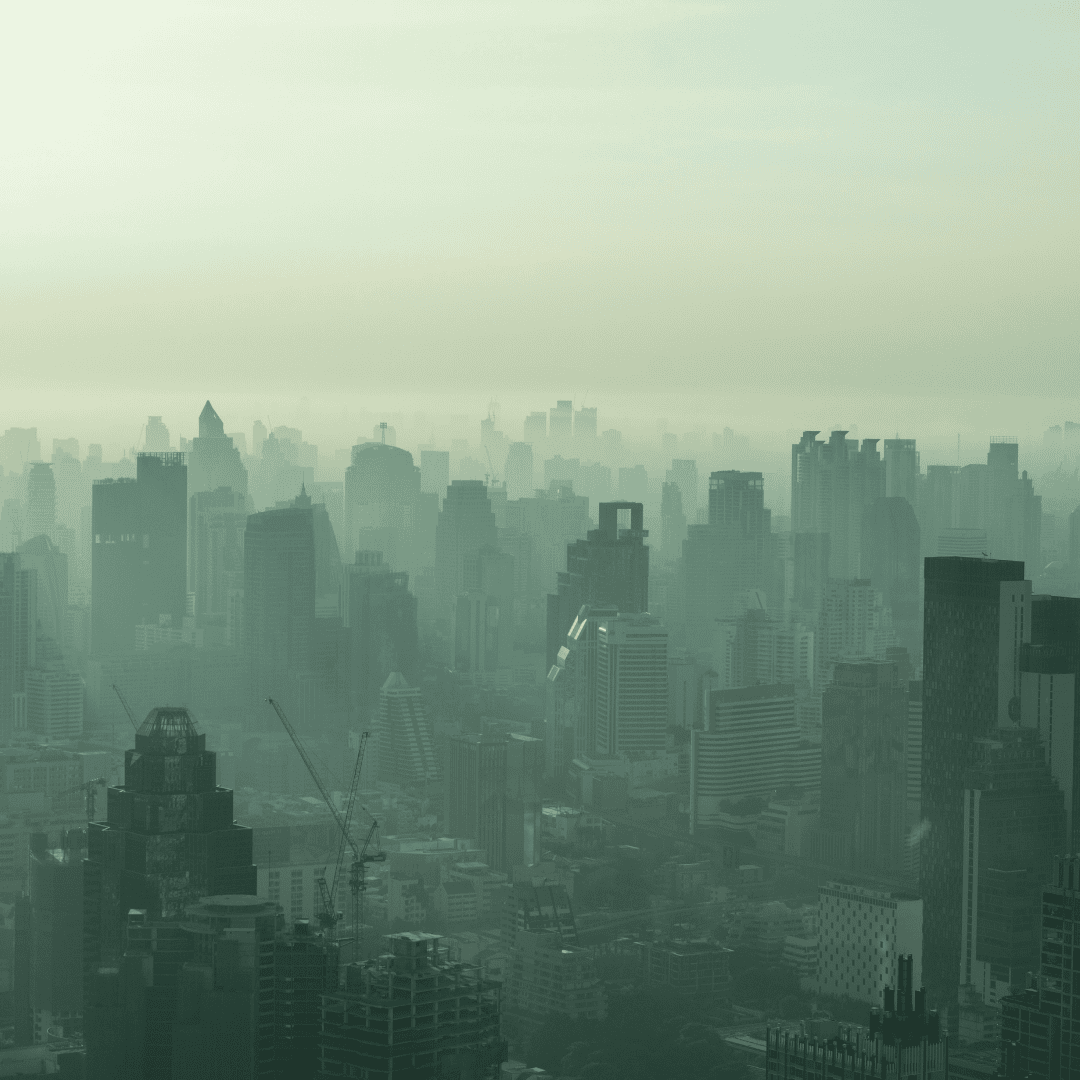
As cities face climate change, biodiversity loss, and resource depletion, sustainable architecture must move beyond conventional green building standards. This publication introduces ecological design as applied ecology, where buildings function as constructed ecosystems rather than isolated technological structures.
What Is Ecological Design?
Ecological design is a systems-based architectural approach grounded in biomimicry and the science of ecology. Instead of minimizing harm alone, it focuses on regenerating natural systems.
The booklet outlines key principles including:
Biointegration of buildings with natural ecosystems
Net positive ecological impact strategies
Biodiversity protection within urban environments
Circular resource systems and zero waste design
Renewable energy integration and surplus energy generation
Water conservation and regenerative hydrology systems
Dr. Ken Yeang’s Model for Regenerative Architecture
Dr. Ken Yeang’s ecological design framework redefines architecture as a living system that interacts dynamically with its local climate, ecology, and community.
Through projects such as ecological high-rise towers and eco masterplans, the publication demonstrates how:
Vertical green infrastructure enhances biodiversity
Bioclimatic design reduces fossil fuel dependence
Urban planning can restore natural ecosystems
Buildings can operate as nature-to-nature systems rather than technology-to-nature systems
This approach shifts sustainable architecture from compliance-driven certification models to performance-based ecological integration.
Urban flooding also has longer-term socioeconomic consequences. Floodwater contaminates water supplies, creates risks of water-borne diseases, disrupts businesses, slows economic activity, and erodes public confidence in local governments’ ability to protect communities. In Kathmandu, where dense populations rely on a limited transportation network, even short episodes of inundation paralyze mobility and access to critical services.
Why This Matters for Sustainable Urban Development
Global environmental challenges demand a transition from conventional green buildings to regenerative urban ecosystems.
The Constructed Ecosystem presents a blueprint for:
Climate-responsive architecture
Low-carbon and carbon-neutral construction
Net zero waste and emissions design
Ecological urban masterplanning
Long-term environmental stewardship
This booklet aligns with the Frost & Sullivan Institute’s mission of Innovating to Zero by showcasing leadership that integrates business, sustainability, and systems transformation. It demonstrates that true environmental stewardship requires rethinking not just how we build, but how we relate to nature itself.