16 Apr Explainable AI: Why Transparency Is Essential in an Algorithmic Age
Artificial intelligence is embedded in the infrastructure of modern life. From financial approvals and medical diagnostics to hiring platforms and workplace productivity tools, AI systems increasingly shape decisions that affect individuals and institutions alike. As reliance deepens, a strategic imperative emerges: AI systems must not only be powerful, but understandable. In an era marked by algorithmic misinformation, automated decision-making, and widespread dependence on AI for everyday work, explainability is essential for trust, accountability, and responsible governance.
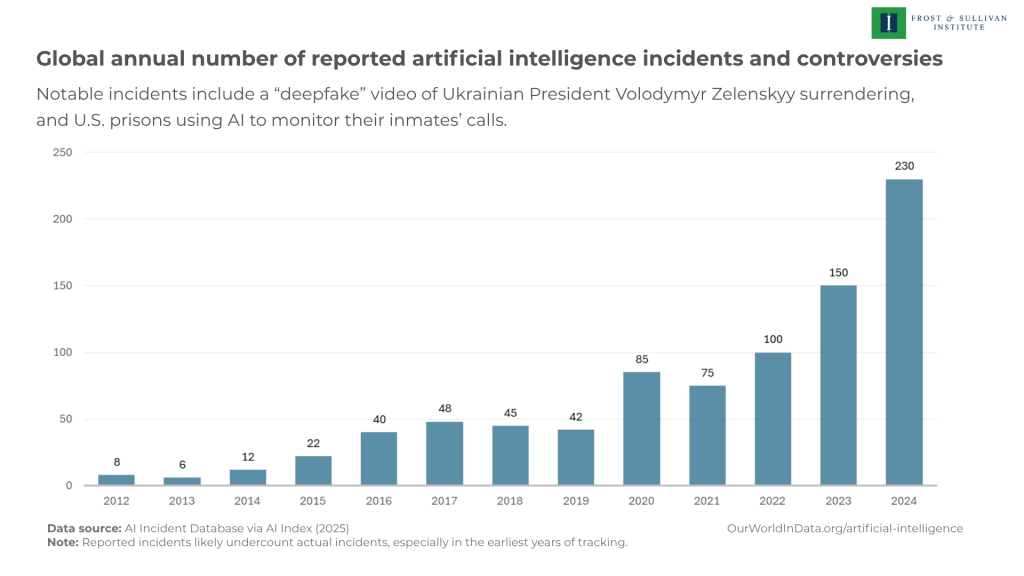
Explainable AI (XAI) addresses this imperative by making the reasoning behind AI outputs transparent and interpretable. Without such transparency, societies risk delegating consequential decisions to opaque systems that cannot be questioned, audited, or meaningfully understood.
What Is Explainable AI?
Explainable AI refers to methods and system designs that enable humans to understand how and why an AI model arrives at a particular output. Many advanced AI systems, particularly those based on deep neural networks, are often described as “black boxes.” They produce highly accurate predictions, yet their internal logic is difficult to interpret even for experts.
Explainability seeks to answer critical questions: Why was a loan application rejected? Which medical indicators influenced a diagnosis? What factors led to a specific recommendation? How confident is the system in its prediction?
Approaches to explainability vary. Some models are inherently interpretable, such as decision trees or linear models, where relationships between inputs and outputs are transparent. Others rely on post-hoc explanation techniques that estimate which variables most influenced a decision. Additionally, responsible AI frameworks include documentation practices that clarify training data sources, model limitations, and potential biases.Explainability does not require sacrificing technological sophistication. Rather, it translates complex statistical processes into forms that humans can evaluate, contest, and trust.
Why Explainable AI Matters
The importance of explainable AI becomes clear when considering the scale of its impact. AI systems influence credit scoring, insurance pricing, medical triage, employment screening, content moderation, and public-sector resource allocation. In high-stakes domains, opacity carries ethical and legal risks.
- Accountability
When decisions affect rights, opportunities, or health outcomes, institutions must justify them. Regulatory developments increasingly emphasize transparency and human oversight. Explainability enables compliance and strengthens institutional legitimacy.
- Bias Detection and Fairness
Machine learning systems trained on historical data can reproduce societal inequalities. For example, biased hiring algorithms have been shown to disadvantage female candidates due to historically skewed training data. Explainability allows organizations to identify and correct such patterns.
- Trust and Adoption
Public confidence depends not only on accuracy but clarity. Users are more likely to accept algorithmic decisions when reasoning is understandable. Transparency transforms AI from an opaque authority into a collaborative tool.
Real-World Applications of Explainable AI
Explainability is not theoretical; it is increasingly critical across sectors:
- Biased Hiring Algorithms: Recruitment tools trained on historical resumes have demonstrated gender and racial bias. Explainability tools help identify which features (e.g., education, keywords) drive decisions, enabling correction and fairer hiring practices. Explainable AI is critical in addressing bias in hiring systems. A well-known case involves Amazon, which developed an AI recruitment tool that unintentionally favored male candidates because it was trained on historically male-dominated hiring data. The system penalized resumes containing terms like “women’s,” revealing how AI can replicate existing biases. Explainability tools help identify such discriminatory features, enabling organizations to correct them before deployment.
- Explainable Medical AI: In diagnostic systems, such as those used for detecting cancer in imaging, explainability highlights which regions of a scan influenced predictions. This allows clinicians to validate AI outputs rather than blindly trust them. In healthcare, explainable AI has exposed hidden inequalities in clinical algorithms. A 2019 study published in Science found that a widely used risk prediction model underestimated the health needs of Black patients because it used healthcare cost as a proxy for illness. Since marginalized groups often have lower access to care, the system produced biased outcomes. Explainability methods helped uncover this flawed logic, allowing researchers to redesign the model for fairer treatment.
- Fraud Detection Systems: Financial institutions use AI to flag suspicious transactions. Explainable models can specify triggers (e.g., unusual transaction size or location), allowing auditors and customers to understand and contest decisions. In finance, explainable AI improves transparency in fraud detection systems. Banks use AI to flag unusual transactions based on patterns such as location or spending behavior, but these decisions can appear opaque. Explainability tools clarify why a transaction was flagged, enabling both auditors and customers to understand and challenge decisions.
Bridging the Gap in AI Misinformation and Disinformation
One of the most pressing challenges in today’s digital environment is the proliferation of AI-generated content. Generative systems can produce text, images, audio, and video at unprecedented scale. While these tools enhance efficiency and creativity, they also introduce risks of misinformation, unintentional inaccuracies, and deliberate deception.
Explainable AI contributes to mitigating these risks in several ways:
- Traceability: Systems that provide insight into reasoning pathways or data sources enable users to verify outputs rather than accept them uncritically.
- Uncertainty Communication: AI outputs often appear definitive despite being probabilistic. Confidence scores and uncertainty indicators improve decision-making.
- Bias Identification: Interpretability tools help detect distorted training data that may amplify misleading narratives, particularly in content moderation systems.

Explainable AI in Everyday Work
AI-powered systems now draft emails, summarize documents, generate reports, analyze datasets, and support strategic planning. For many knowledge workers, these tools function as cognitive partners. However, delegation without understanding introduces risk.
If a system generates a financial projection or strategic recommendation, users must understand the assumptions behind it. Explainability strengthens human–AI collaboration by enabling scrutiny and contextual judgment rather than blind adoption.
Organizational and Societal Impact
For organizations, explainable AI is increasingly tied to long-term sustainability. Opaque systems expose firms to regulatory penalties, litigation risks, and reputational damage. Transparent systems improve auditing, facilitate compliance, and build stakeholder trust.
At a societal level, explainability reinforces democratic principles. Decisions affecting employment, credit access, or public services must be contestable. Systems that cannot be explained cannot be meaningfully challenged.
Conclusion
Artificial intelligence now mediates many aspects of modern life. As dependency grows, so does the need for clarity. Explainable AI addresses this demand by making algorithmic systems understandable, accountable, and trustworthy.
In a world confronting misinformation, automated decision-making, and digital interdependence, transparency is not optional. It is foundational to responsible innovation. The future of AI will depend not only on computational capability, but on ensuring that systems remain interpretable, contestable, and aligned with human values.
Frequently Asked Questions
Explainable AI refers to artificial intelligence systems designed to make their decisions understandable to humans. It helps users interpret how and why an AI model produces specific outcomes, improving transparency and trust.
Explainable AI is important because it builds trust, ensures accountability, and helps identify bias in automated decisions. It is critical in sectors like healthcare, finance, and governance where decisions directly impact people.
Traditional AI often operates as a “black box,” where decision-making processes are not visible. Explainable AI, on the other hand, provides transparency by offering insights into how models arrive at their outputs.
Explainable AI improves trust by making decision processes visible and understandable. When users can see how outcomes are generated, they are more likely to rely on AI systems and accept their recommendations.
Key challenges include balancing model accuracy with interpretability, handling complex algorithms, and ensuring explanations are meaningful to non-technical users. There is also a lack of standardization across industries.
Explainable AI is widely used in healthcare, finance, cybersecurity, and public sector decision-making. It is especially important in high-stakes environments where transparency and accountability are essential.
Explainable AI helps identify patterns and decision pathways within models, making it easier to detect and correct biased outcomes. This supports fairer and more ethical AI systems.
In many regions, regulations increasingly require transparency in automated decision-making. Explainable AI helps organizations comply with data protection and ethical AI guidelines.
Blog by Shreya Ghimire,
Research Analyst, Frost & Sullivan Institute